With support from donors across five continents and in partnership with NGOs Vamos Honduras and Pathways to New Futures, Spark Economics is providing six entrepreneurs in Talanga and nearby villages with specialized machinery to grow their businesses and strengthen local economic opportunities.
Expanding opportunity in the Talanga region
In May, Spark Economics selected six entrepreneurs for its second cohort and raised approximately $7,000 to purchase the machinery they need to grow. Over the following months contributions came from Europe, the United States, Canada, Australia and Honduras.
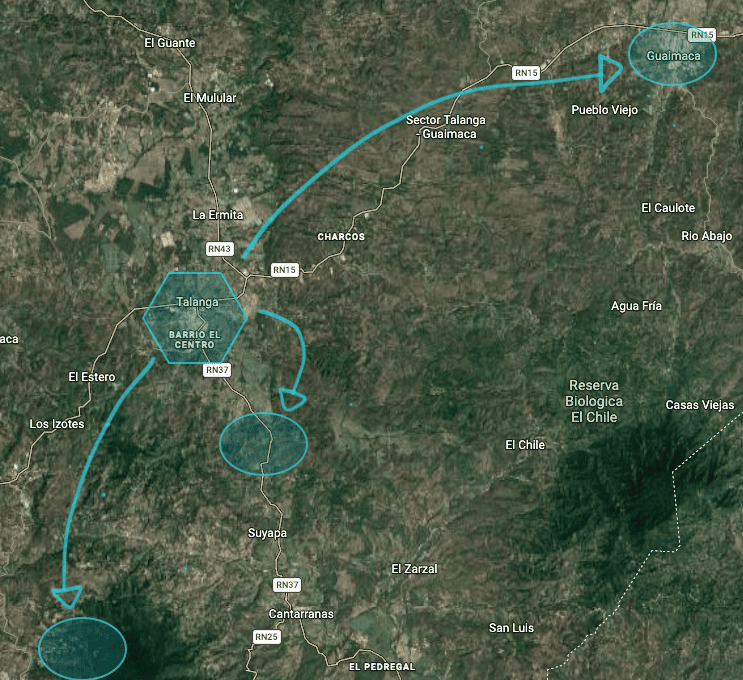
The new cohort expands the initiative beyond Talanga into surrounding villages, including Guaimaca and Corralitos, and supports a broader range of local businesses focused on woodworking and food production, including coffee, wine, meat, and honey.
Six businesses, six bottlenecks
Each entrepreneur identified a specific constraint holding back production. Spark Economics provides the machinery needed to address it, helping businesses save time, reduce waste, improve product quality, and serve more customers.
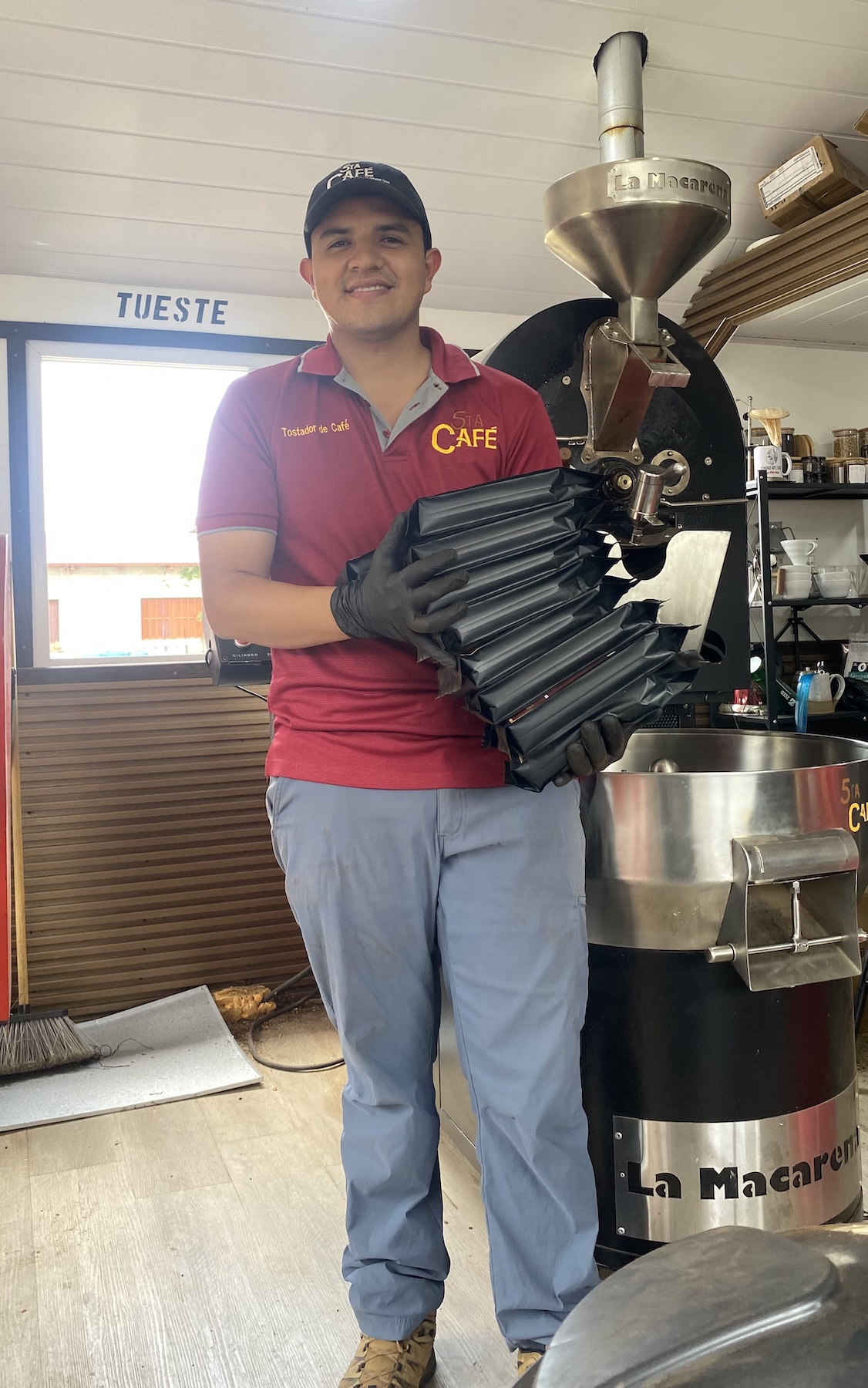
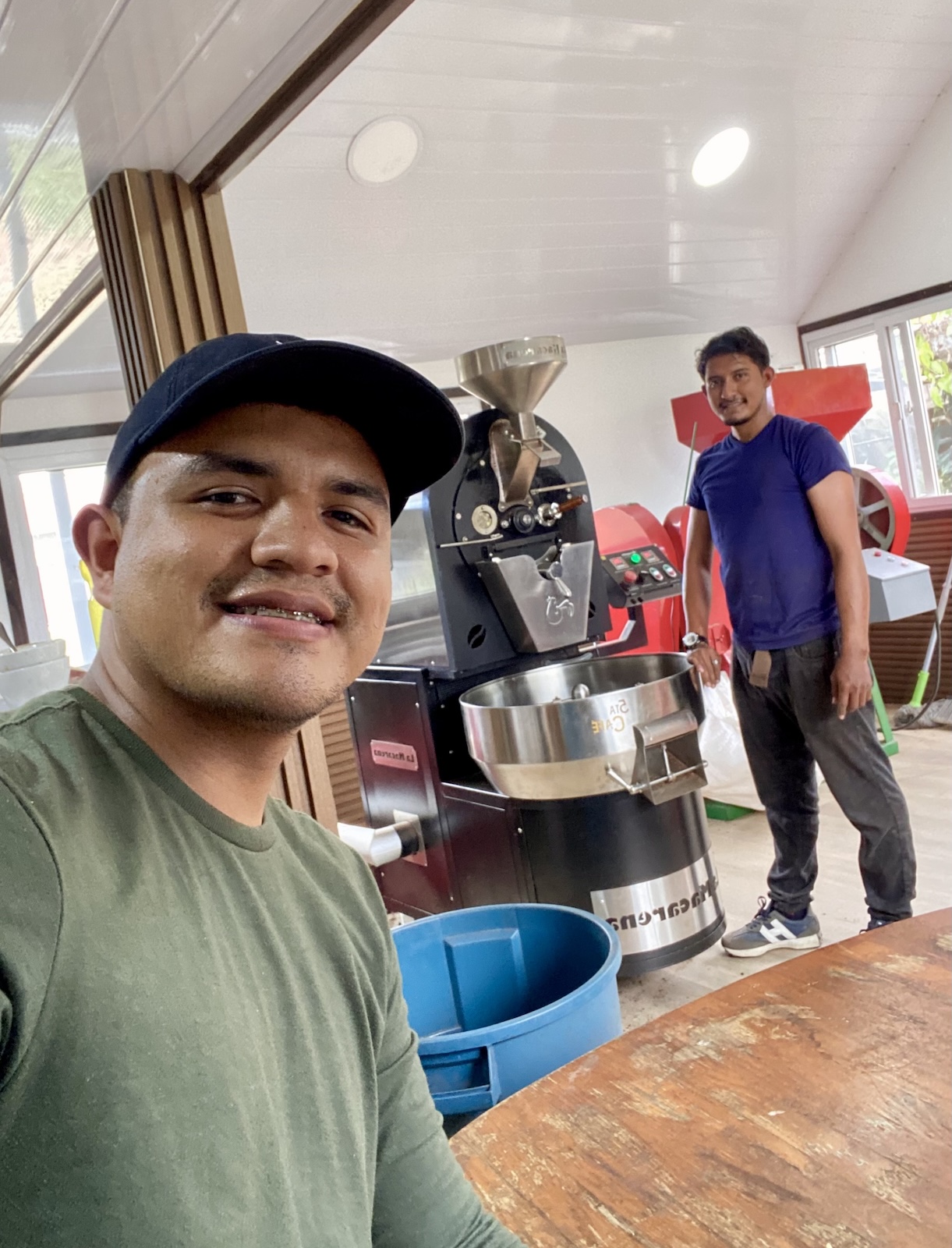
Coffee. Luis grew up in a coffee-growing family and opened a coffee shop in Guaimaca before expanding into roasting for regional businesses and customers. He now produces around 2,000 bags of whole-bean and ground coffee, previously filled and weighed by hand—a process that took three to four minutes per bag and often resulted in waste from spills and inaccurate quantities.
His new bag-filling machine dispenses the precise weight at the touch of a button, cutting filling time to about one minute per bag. The result is less waste, more consistent quantities for customers, and less repetitive work for employees.
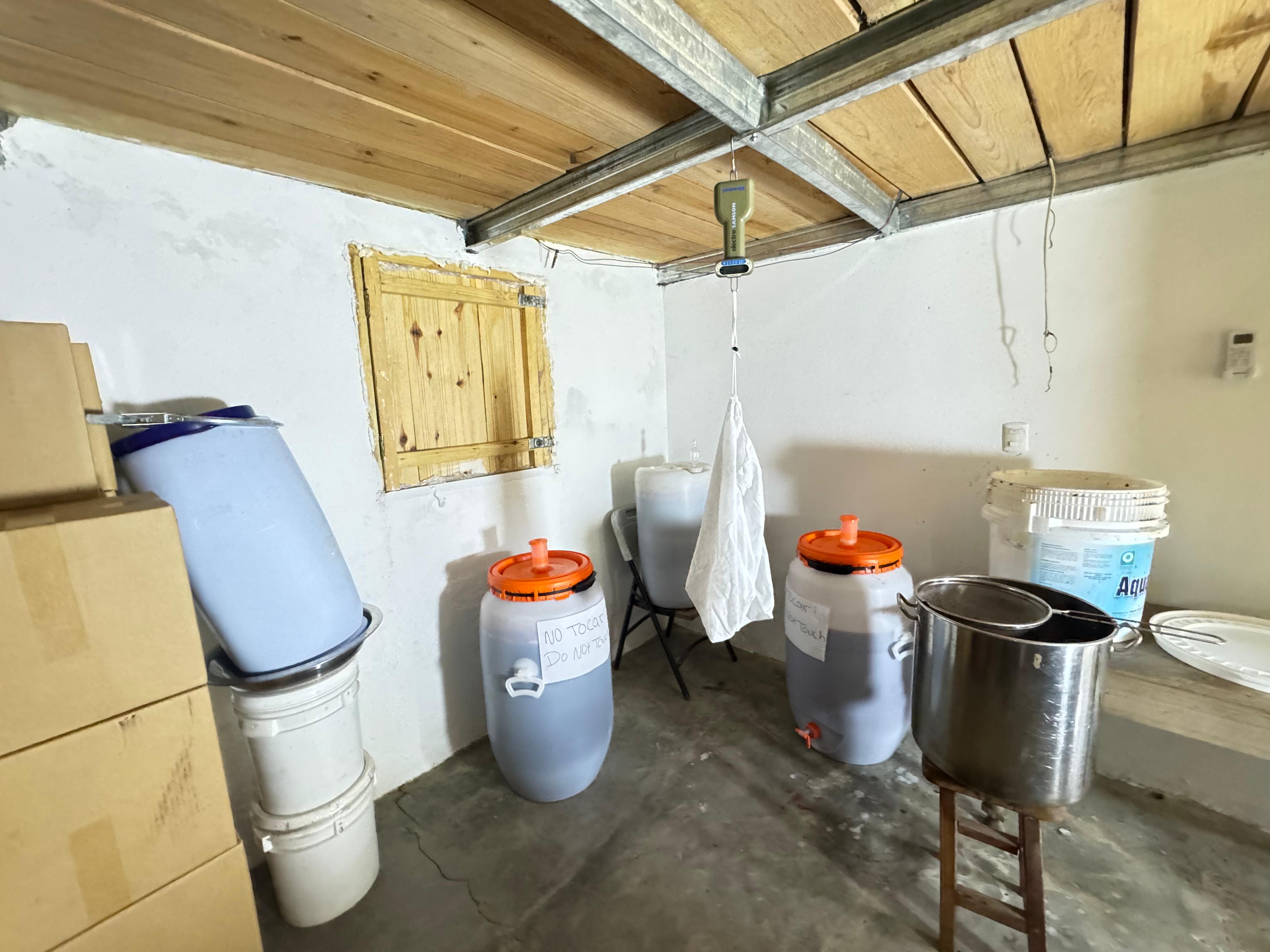
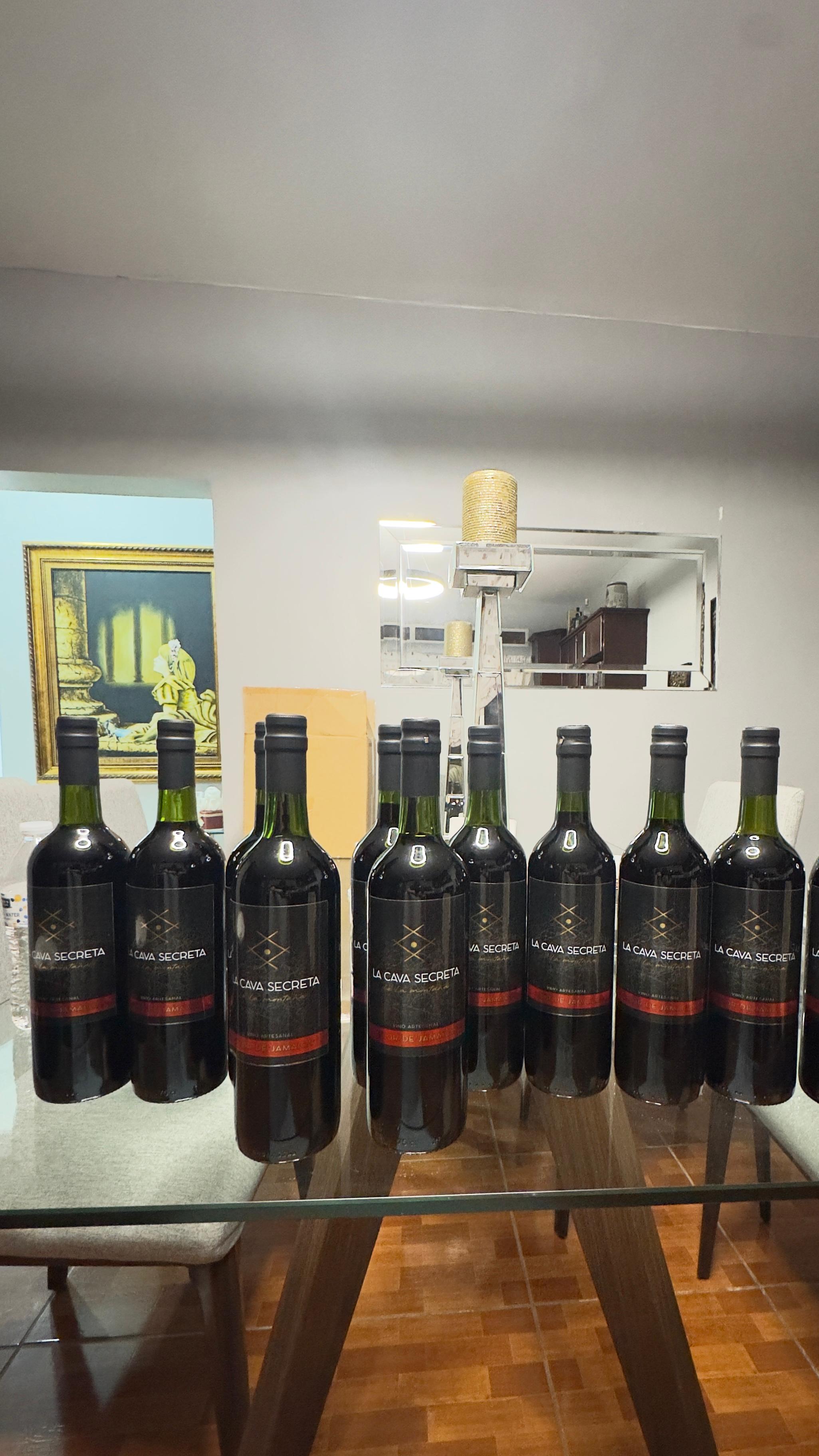
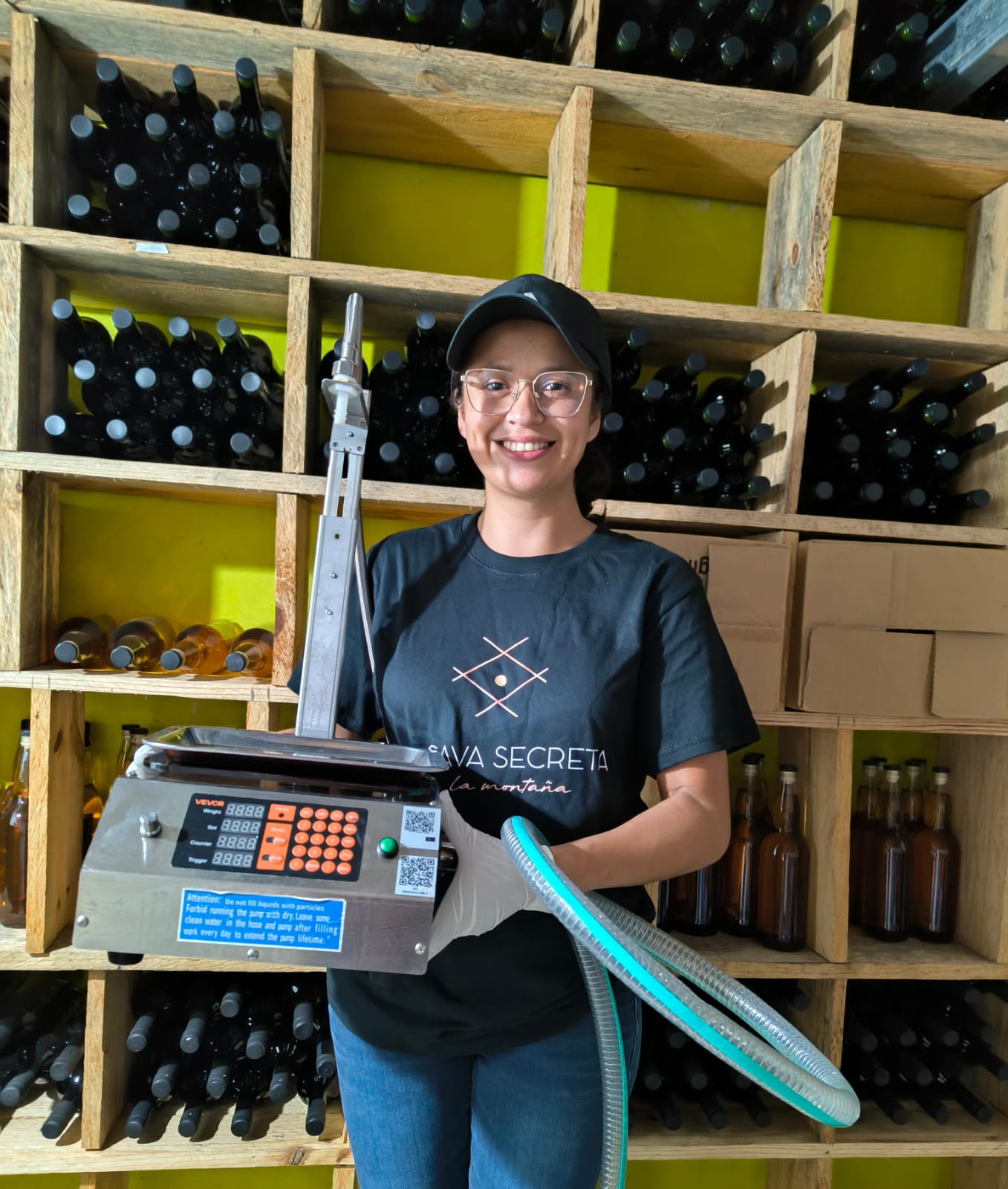
Wine. Rossie produces a wine-style, low-alcohol beverage from hibiscus flowers. She previously filled bottles manually using a cup, a slow and imprecise process that caused spills and added stress to her workday.
Her new bottle-filling machine draws the beverage directly from the tank through a hose and dispenses a measured volume into each bottle. This should reduce waste, increase production capacity, and give Rossie more time to focus on other parts of her business.
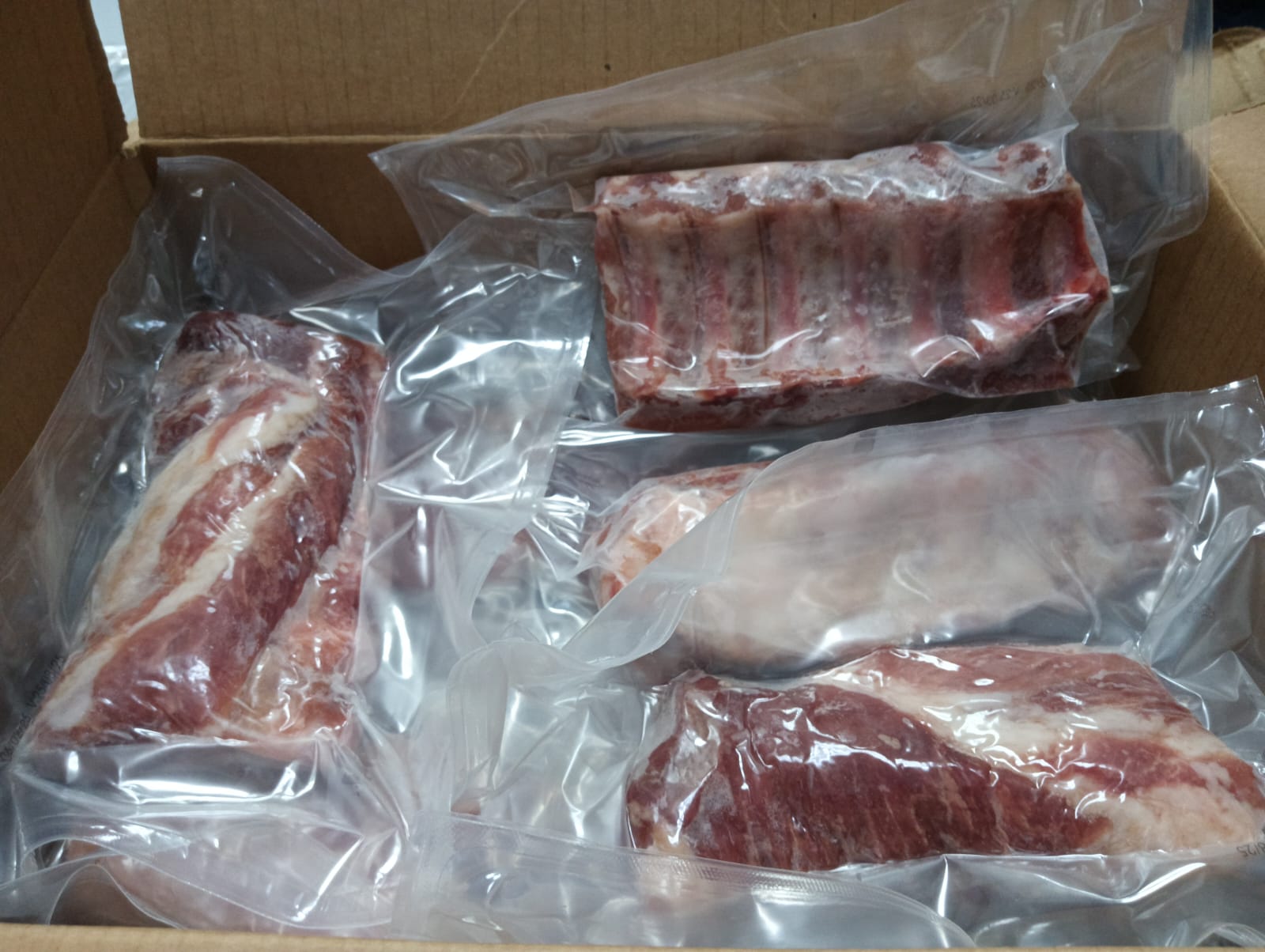
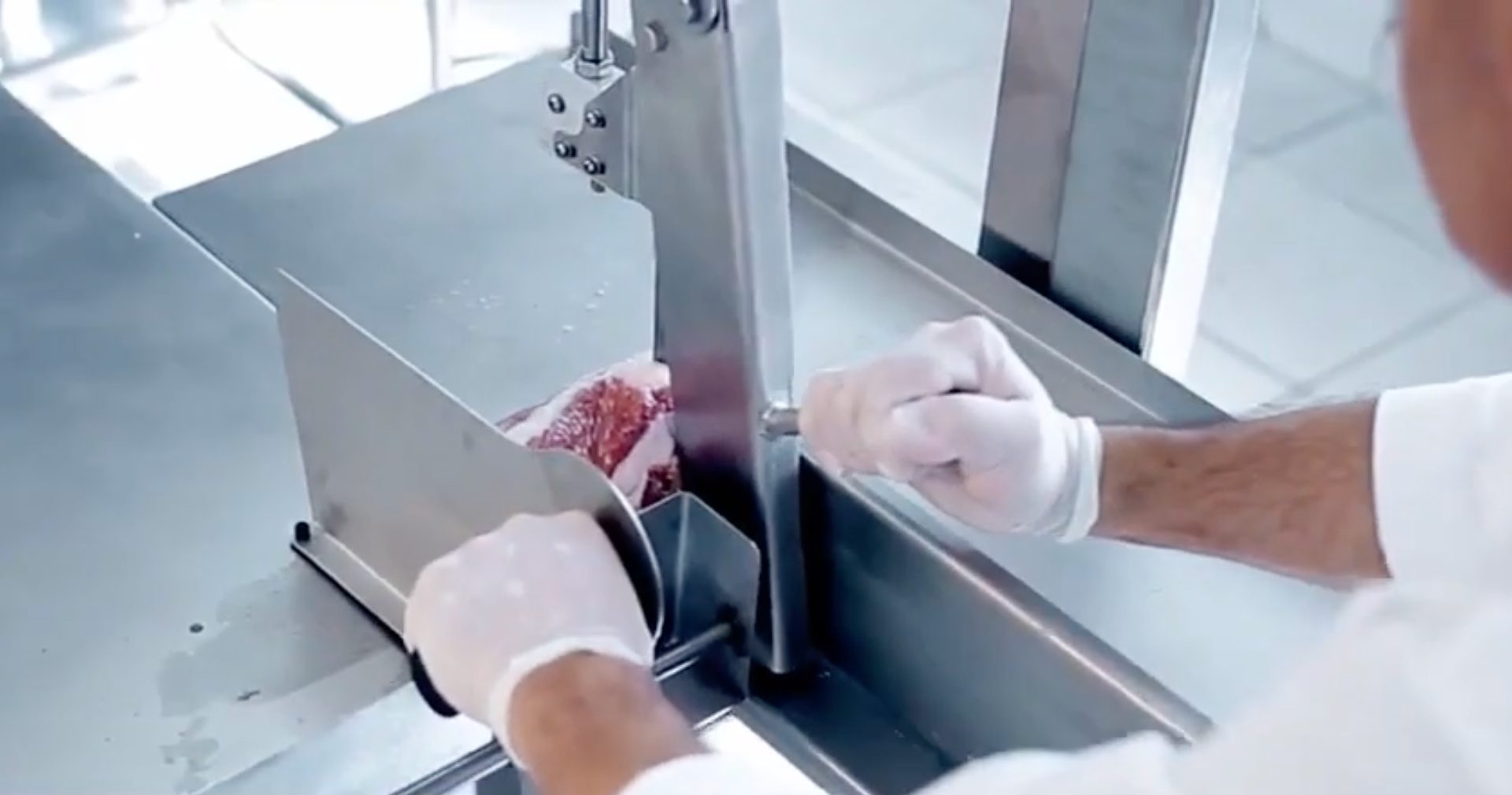
Meat. Allan started his meat business by reselling pre-cut portions to shop clients and regional restaurants. As the business grew, he began buying larger cuts, but processing them by hand with a knife was labor-intensive. The business could prepare less than half of its monthly volume in-house.
A new meat-cutting saw allows his employee to work more comfortably and process more meat in less time. Customers can receive more uniform cuts, while the business can purchase larger pieces and process more of its supply in-house, potentially improving margins.
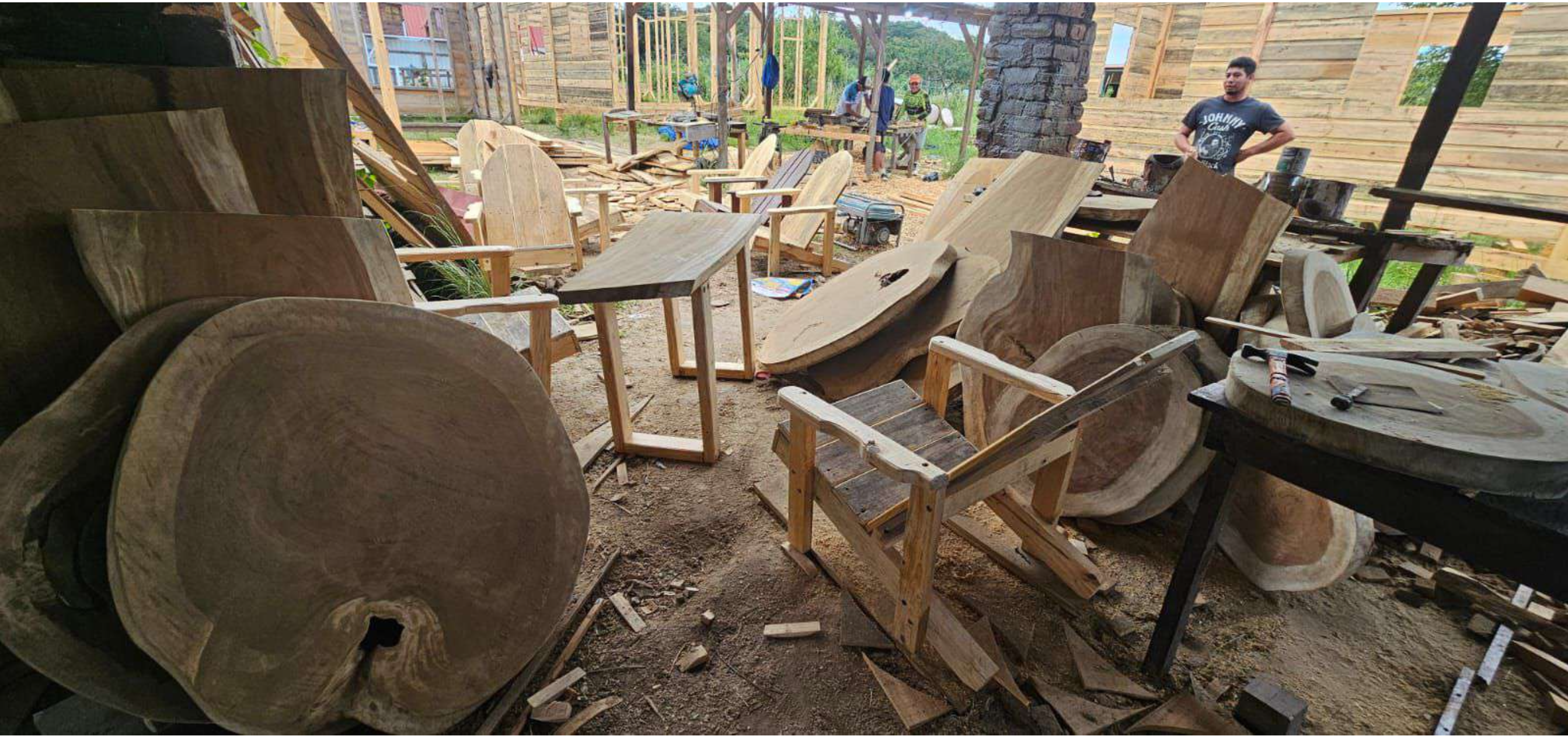
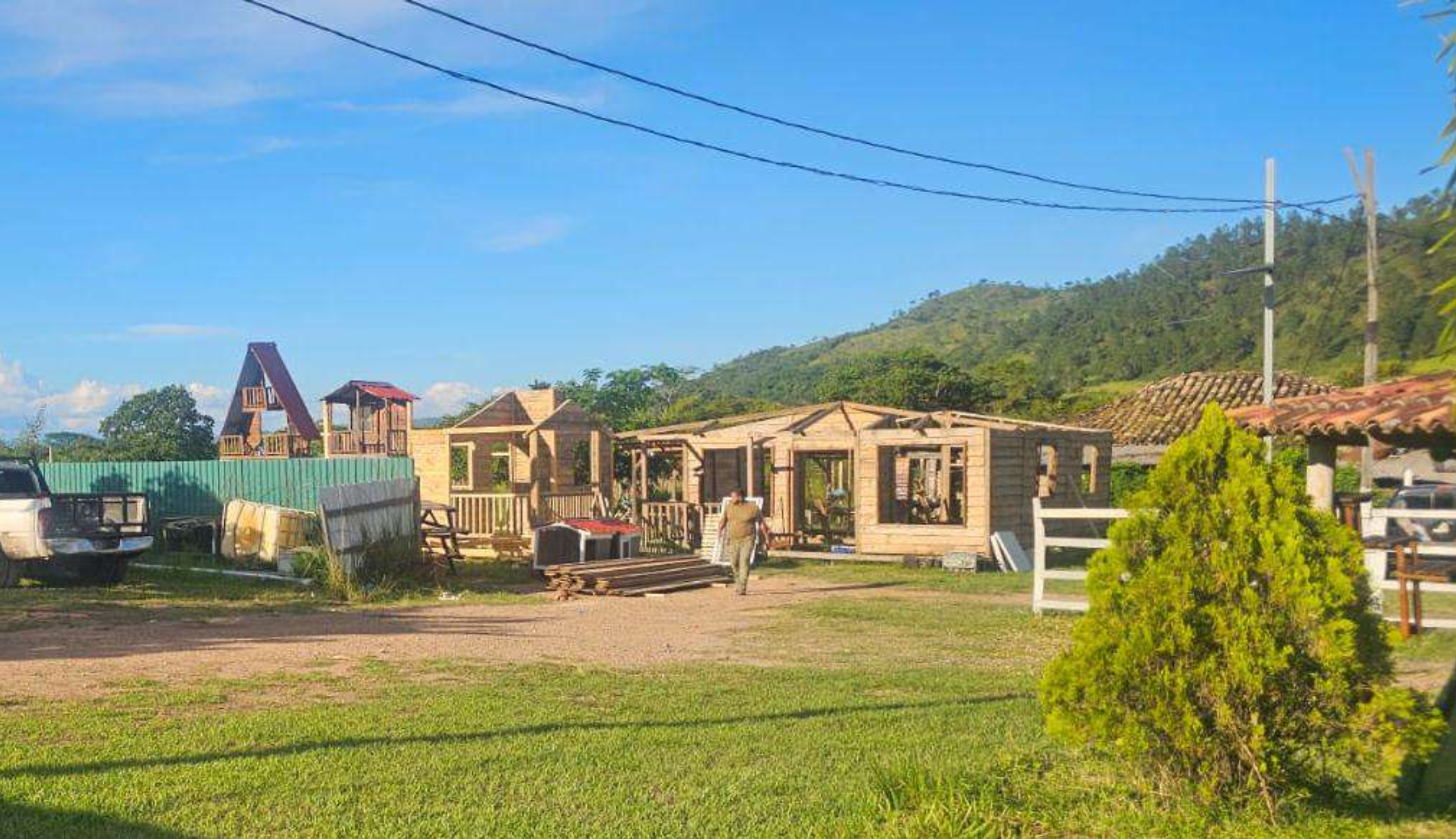
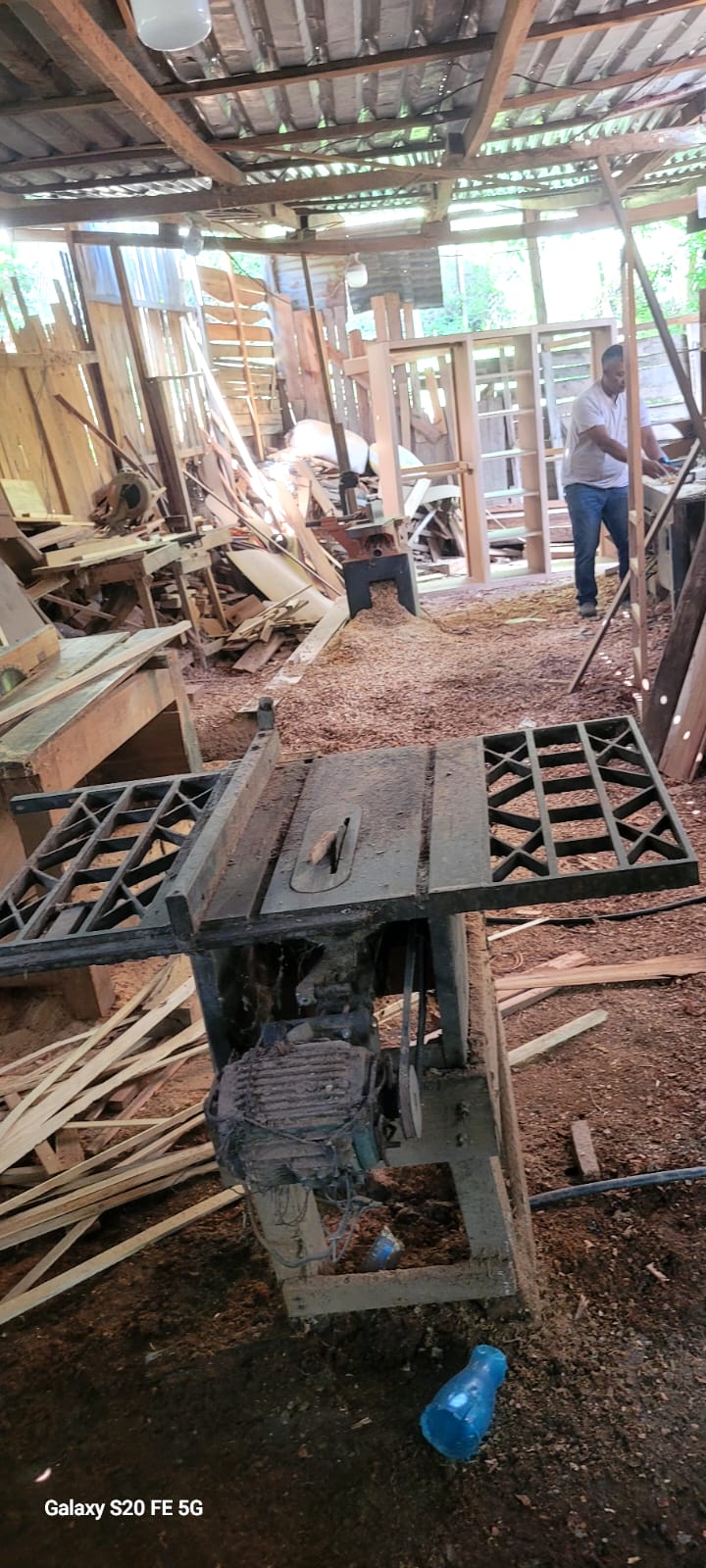
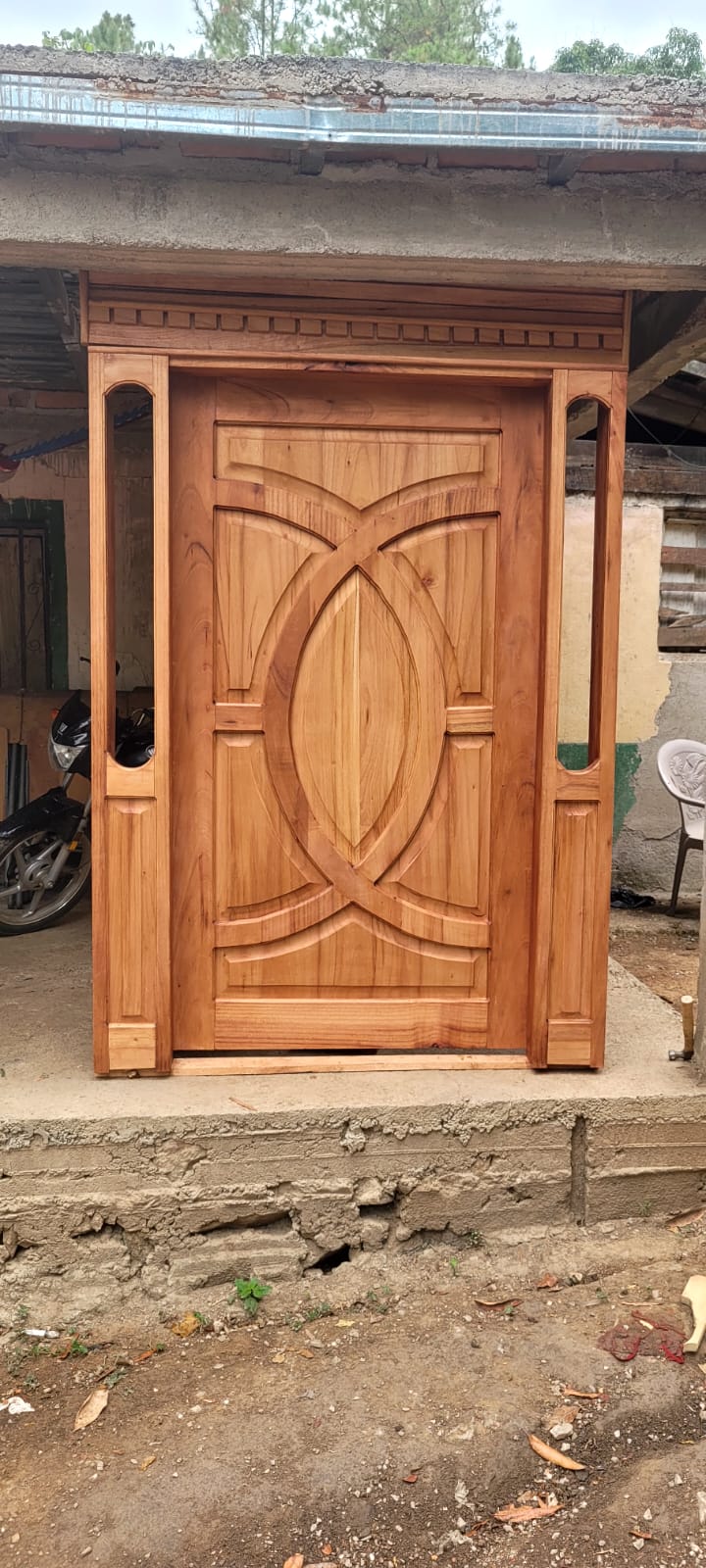
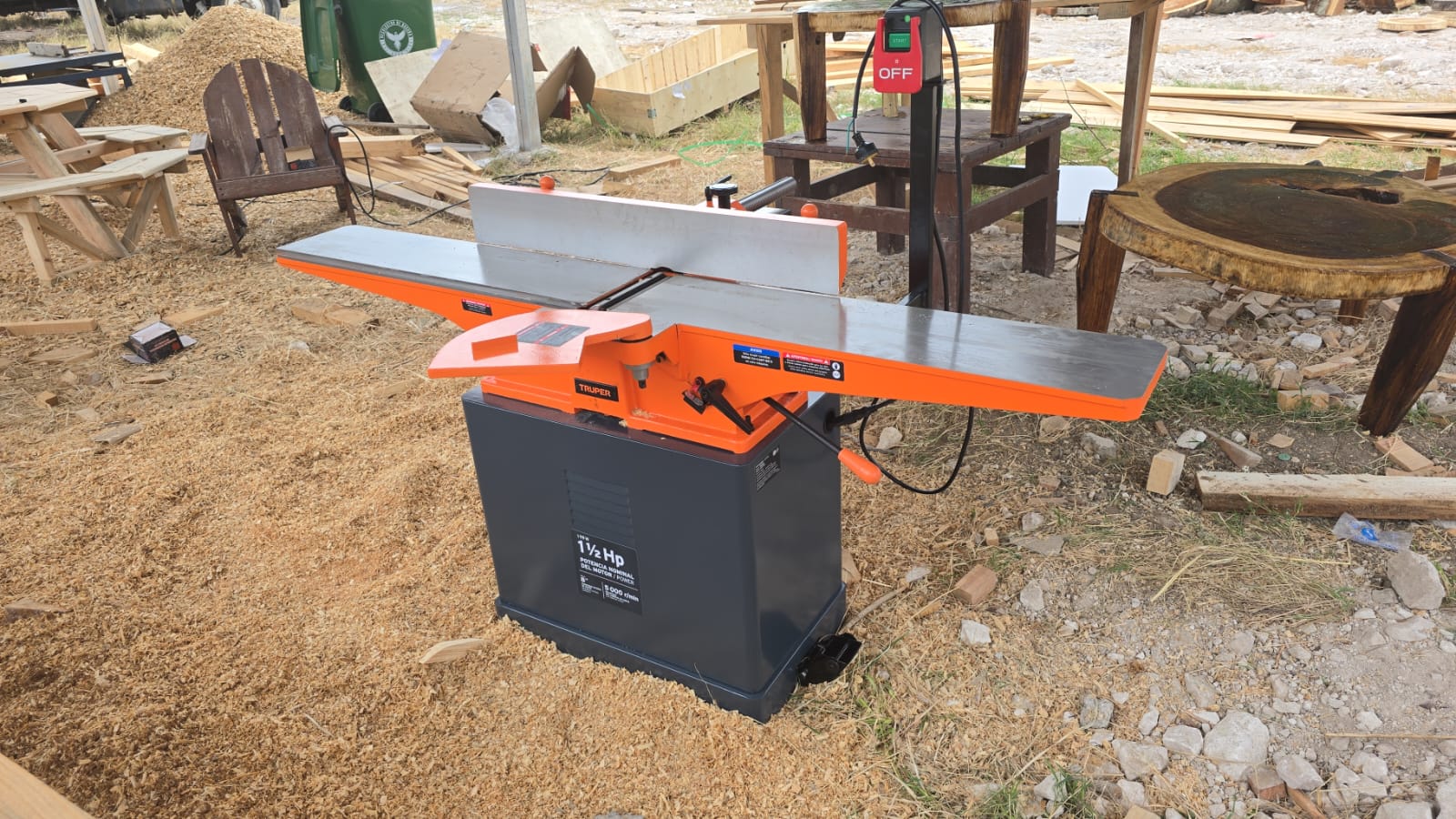
Woodworking. Marcial makes home furniture, and Josselin builds wooden cabins and pergolas. Both relied on homemade saws that limited their ability to make precise cuts and produce more complex designs.
With industrial-grade machinery, they can work more accurately, reduce production time, and explore new designs while taking on more orders.
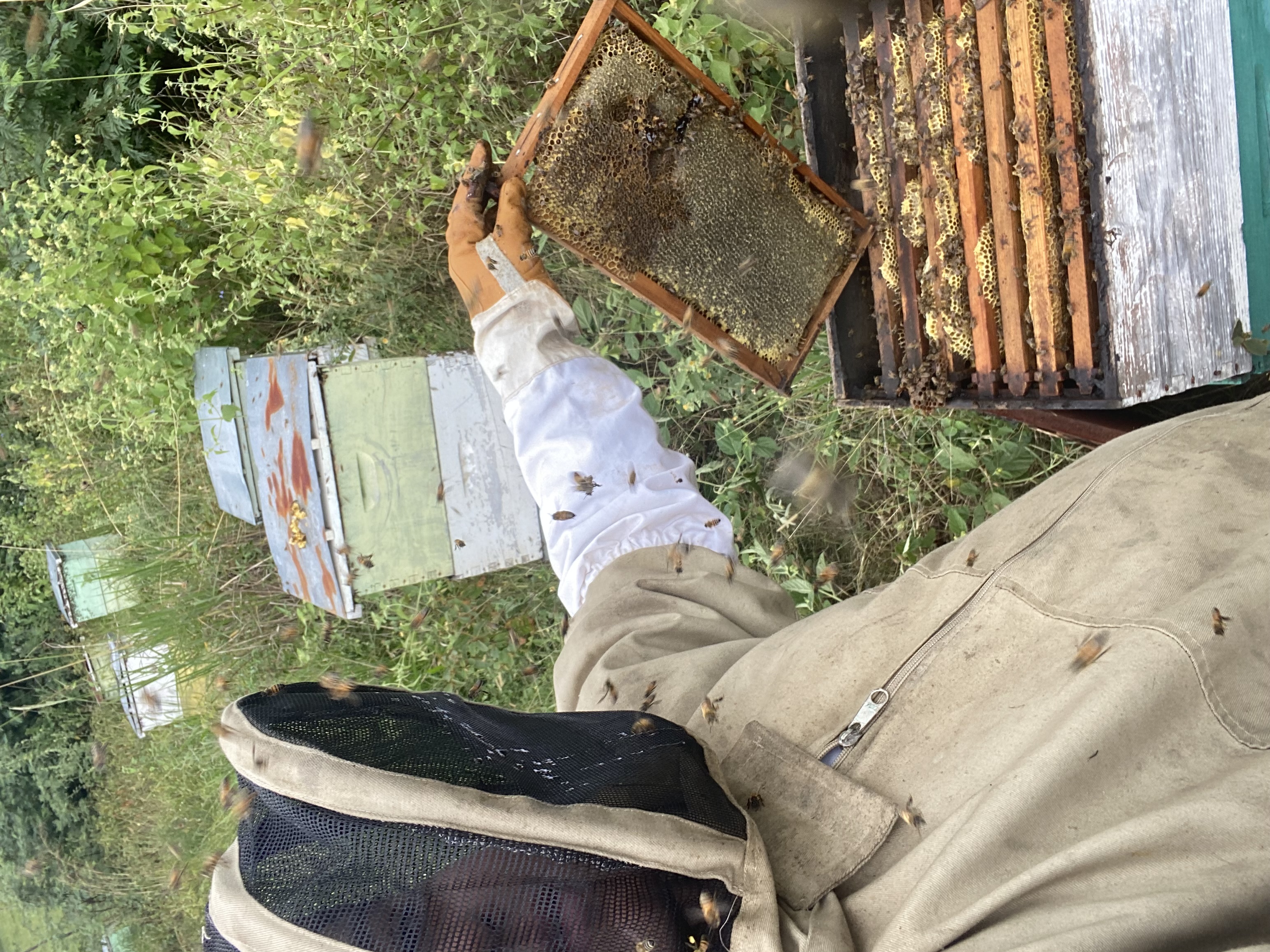
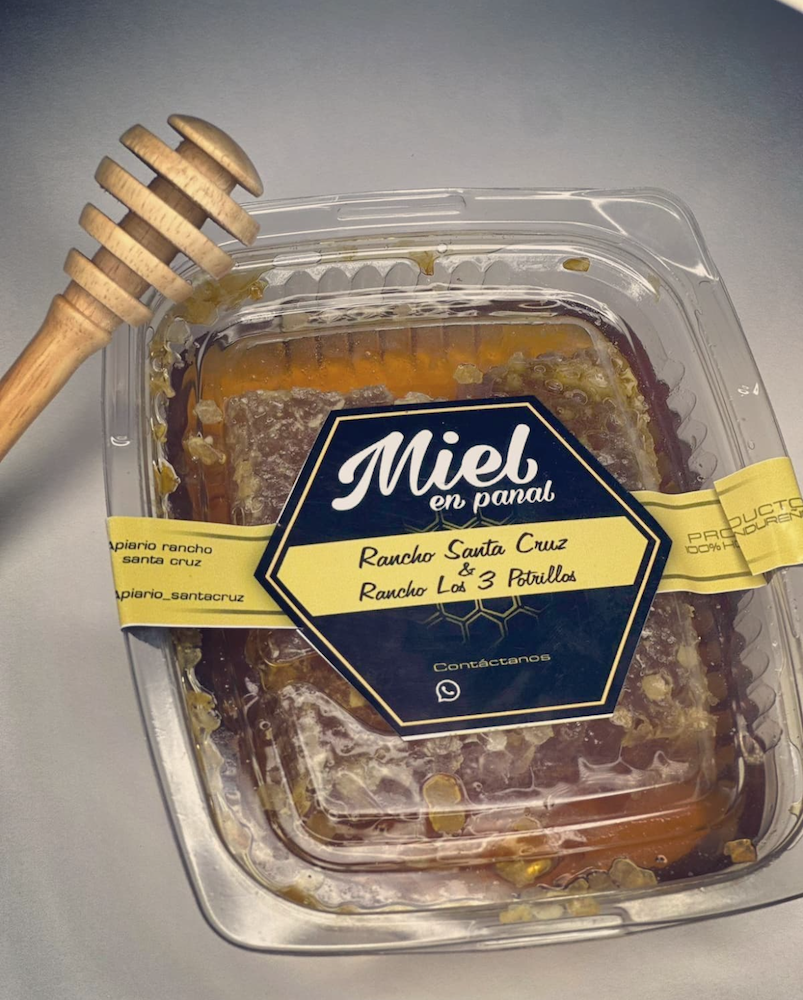
Honey. Isaac manages 15 beehives and extracts honey from the combs using a manually operated extractor that must be turned by hand and only supports 2 frames at a time. The process limits how much honey he can handle at once.
His new electric extractor accommodates eight frames at a time, allowing him to process more honey efficiently and devote more time to his bees as he grows his operation.
Impact and next steps
With the second cohort, Spark Economics has now supported 10 entrepreneurs across two groups—four in the first cohort and six in the second. By addressing practical production constraints, our initiative aims to help these businesses grow, provide better products to customers, and create more stable local employment.
Our approach also seeks to strengthen rural economies, giving people more opportunities to build a livelihood in their own communities rather than having to migrate in search of work.
Spark Economics collects monthly data from participating businesses on production, revenue, and employment to evaluate which areas are more impacted with the added machinery across the different types of businesses.
A word from David Venegas, Founder of Spark Economics
“We're excited to see this second cohort expand beyond Talanga into surrounding villages. Each machine addresses a specific bottleneck, helping entrepreneurs improve their production, serve more customers, and build stronger businesses that can sustain local jobs. We're grateful to every donor and to our partners at Vamos Honduras and Pathways to New Futures for making this possible.”
Spark Economics drives productive development in rural communities through access to resources, technology and training for entrepreneurs. Learn more at www.sparkeconomics.org.